

When You Need an Ignition Repair Service Fast
A key that suddenly will not turn can stop your whole day before it starts. If you are stuck in a parking lot, outside your home, or on the way to work, an ignition repair service can help identify the problem and get you moving again without the guesswork.
Your vehicle's ignition is more than the place where you insert the key. It is a group of connected parts that must work together: the key, lock cylinder, ignition switch, steering column components, and, in many newer vehicles, an electronic security system. When one part fails, the symptom may look simple, but forcing the key can turn a manageable repair into a more expensive problem.
Signs You May Need Ignition Repair
The clearest warning sign is a key that will not turn from the lock position. You may be able to insert it, but it feels stuck, catches repeatedly, or requires more pressure than usual. That is not a situation to solve by twisting harder. A worn key or damaged ignition cylinder can break under force, leaving part of the key inside the ignition.
Other drivers notice that the key turns, but the vehicle does not start. The dashboard lights may flicker, accessories may not receive power, or the engine may crank inconsistently. These symptoms can point to an ignition switch issue, but they can also be caused by a weak battery, starter problem, or electronic immobilizer concern. A professional assessment matters because replacing the wrong part does not solve the problem.
Pay attention if your key is difficult to remove, the vehicle shuts off unexpectedly, or you have to move the steering wheel aggressively before the key will turn. The steering wheel lock can bind when the front tires are turned against a curb or when the vehicle is parked on an incline. Sometimes relieving that pressure while gently turning the key solves the issue. If it keeps happening, though, it is time to have the ignition checked.
What Causes an Ignition to Fail?
Normal wear is one of the most common causes. Every time you start your car, the key and internal pins inside the ignition cylinder make contact. Over years of use, a heavily worn key may no longer align those pins correctly. A key that has been copied from an already worn key can make the issue worse because the cuts become less precise with each copy.
Damage can also occur after a break-in attempt, a key jam, or an accident involving the steering column. Dirt, debris, and moisture can affect mechanical components as well. Utah's changing weather does not automatically cause ignition failure, but cold temperatures can make an existing worn or sticky component more noticeable when you need your vehicle most.
Modern vehicles add another layer. Many use transponder chips, push-button start systems, or immobilizers that confirm the correct key is present before allowing the engine to start. If the vehicle recognizes neither your key nor a programmed replacement, the issue may involve key programming rather than the mechanical ignition itself. The right repair depends on the vehicle's make, model, year, and symptoms.
Ignition Repair Service vs. Ignition Replacement
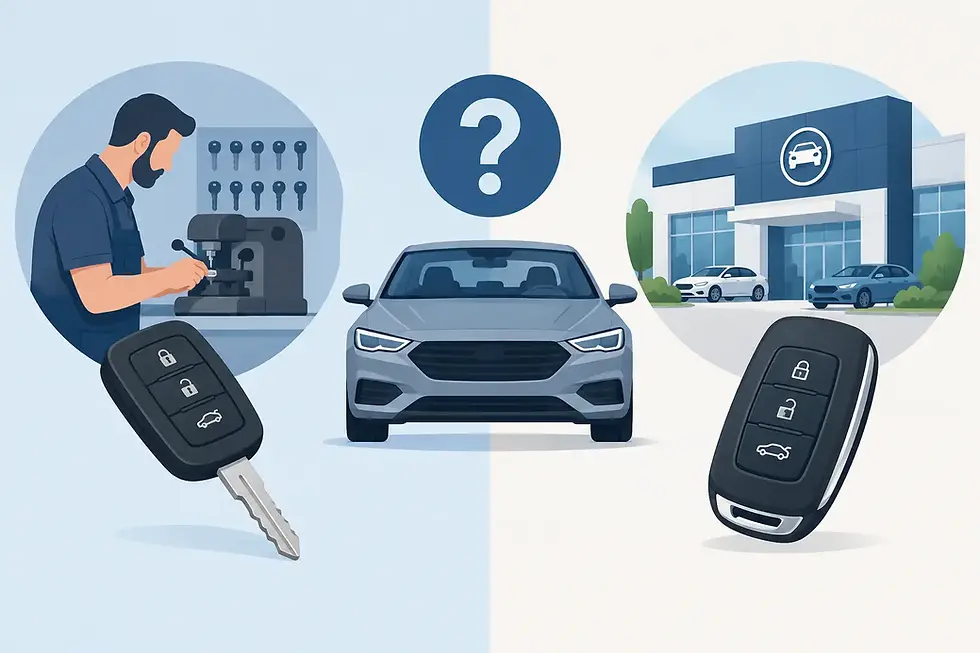
Repair is often the better first option when the ignition cylinder can be restored, rebuilt, or rekeyed to work with your existing key. This can be especially useful when you want to avoid carrying one key for the door and another for the ignition. A locksmith can inspect the cylinder, identify worn components, and determine whether a repair is practical.
Replacement is necessary when the ignition is severely damaged, has failed internally, or cannot be safely restored. In some cases, a replacement cylinder needs to be matched to the vehicle's existing key. In others, new keys may need to be cut and programmed. The best path is not always the cheapest upfront option. A proper repair should leave you with reliable access to your vehicle and a solution that works correctly with its security system.
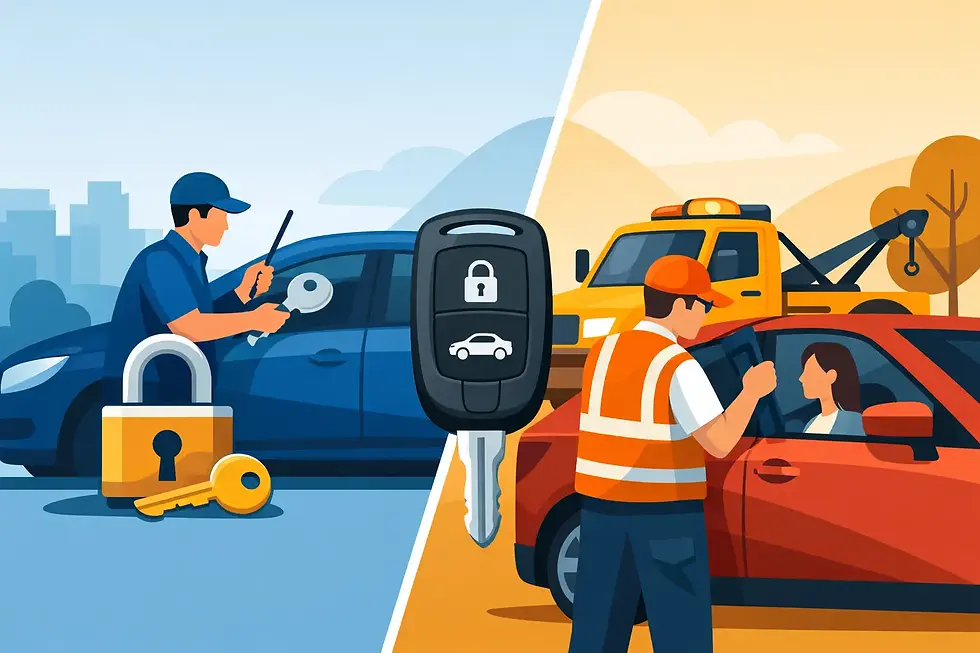
An experienced automotive locksmith can often provide this work where the vehicle is located. That is a major advantage when the car will not start or the key cannot be removed. Mobile service can save you from arranging a tow simply to diagnose an ignition-related issue.
Do Not Force a Stuck Key
When the key will not turn, avoid pliers, screwdrivers, excessive lubricant, or repeated hard twisting. These common attempts can bend the key, damage the lock cylinder, or affect nearby steering column parts. If your key is already cracked or bent, stop using it before it breaks inside the ignition.
There are a few safe checks you can make. Confirm the vehicle is fully in Park, or in Neutral if it has a manual transmission. Apply the brake, then gently move the steering wheel left and right while lightly turning the key. If you have a spare key, try it once without force. A spare that works may indicate your everyday key is worn, while neither key working suggests the ignition needs professional attention.
If the key remains stuck, the vehicle will not start, or you see unusual electrical behavior, get help rather than risking more damage. Keeping the vehicle secure and avoiding a broken key extraction is usually worth the call.
What to Expect From a Mobile Locksmith
A professional technician begins by looking at the actual symptom instead of assuming every no-start condition is an ignition failure. They may inspect the key, test how the cylinder responds, check the steering lock position, and determine whether the issue is mechanical or electronic. This helps prevent unnecessary parts replacement.
If the key is worn, the technician may be able to create a properly cut replacement. If the cylinder is damaged, they can assess whether it can be repaired or needs replacement. For vehicles with chip keys or remote fobs, programming may be part of the process. The goal is straightforward: restore reliable starting and make sure the vehicle's key system works as intended.
Availability can matter as much as the repair itself. An ignition problem rarely happens at a convenient time. Locksmith Experts provides mobile automotive locksmith support for drivers in Salt Lake City, Layton, and surrounding Utah communities, including urgent situations when you cannot safely or practically drive the vehicle to a shop.
When an Ignition Problem May Be Something Else
Not every vehicle that will not start has a failed ignition. A dead battery can leave you with no lights or slow cranking. A failing starter may produce a click but no engine turnover. Fuel delivery, alternator, transmission interlock, and engine issues can also prevent starting.
That does not make your observation unhelpful. The way the key behaves provides valuable clues. If it will not insert, turn, or come out, the mechanical ignition is a likely concern. If it turns normally but nothing happens, the issue may be electrical, electronic, or elsewhere in the vehicle. A locksmith can address key, cylinder, and programming concerns, while a mechanic may be needed for engine or electrical repairs outside the ignition system.
Knowing the difference can save time, money, and frustration. It also helps you contact the right professional first instead of waiting for a solution that does not match the problem.
Protect Your Ignition Before It Leaves You Stranded
Small habits can extend the life of your ignition. Replace a bent, cracked, or badly worn key before it causes trouble. Avoid using a heavy key ring that pulls on the key while you drive, especially with older ignition cylinders. Keep a working spare key in a safe place, not locked inside the vehicle.
If your key has started sticking occasionally, do not wait until it fails completely. Early inspection can give you more options than an emergency repair in a parking lot. When your vehicle will not cooperate, stay calm, avoid forcing the key, and get qualified help so you can get back on the road with confidence.

Comments