

Car Key Programming Guide for Utah Drivers
A key that fits the door but will not start the car usually points to one thing - a programming problem, not a cut-key problem. That is where a clear car key programming guide helps. For most Utah drivers, the real issue is not whether a key can be made, but whether the vehicle will recognize it fast enough to get you back on the road.
Modern car keys do more than turn an ignition. Many contain a transponder chip, remote functions, or proximity features that must match your vehicle's onboard system. If that connection is missing, the car may stay immobilized even if the blade is cut perfectly. That is why programming matters as much as the key itself.
What car key programming actually means
Car key programming is the process of pairing a key or fob to your vehicle's computer so the car accepts it as authorized. In older vehicles, this was often simple or not needed at all. In newer models, it is usually required for starting the engine, using remote lock functions, or both.
There are a few parts people often confuse. Key cutting shapes the blade so it can physically turn a lock. Programming handles the electronic handshake between the key and the car. Some vehicles need both. Others use a push-to-start fob and have no traditional blade beyond an emergency insert.
This is why a hardware store copy may open the door but still fail to start the engine. The copy can match the cuts, yet the chip inside may be blank, wrong for the vehicle, or not programmed.
Car key programming guide: which keys can be programmed?
The answer depends on the type of key your vehicle uses.
Basic mechanical keys from older vehicles may not need any programming at all. If there is no chip inside, a properly cut duplicate can often work right away. Transponder keys are more common and do require programming so the immobilizer system recognizes them. Remote head keys combine a mechanical blade with lock and panic buttons, and they may require separate steps for engine start and remote functions. Smart keys and proximity fobs are the most advanced and typically need specialized equipment to add, erase, or sync with the car.
Make, model, and year matter a lot. Even within the same brand, one model year may allow limited onboard programming while the next year requires professional diagnostic tools. That is where many do-it-yourself attempts go sideways.
When DIY key programming works - and when it does not
Some vehicles allow basic onboard programming if you already have a working key. In those cases, the procedure might involve cycling the ignition in a certain order, pressing programmed buttons, or following prompts in the dashboard. If the owner has the correct instructions and the right blank key, it can work.
But that is the best-case scenario. Many drivers searching for a car key programming guide are dealing with a lost last key, a dead fob, a replacement bought online, or a vehicle that has disabled self-programming. In those situations, DIY becomes much less realistic.
The biggest trade-off is cost versus certainty. A do-it-yourself attempt may seem cheaper at first, but the wrong key, incorrect chip, or failed procedure can waste time and create a bigger service call later. Some vehicles also lock out programming after repeated failed attempts. If you are stranded, late for work, or stuck in a parking lot at night, speed matters more than experimenting.
Signs you need professional car key programming
If your car cranks but does not start, the security light stays on, the remote buttons stopped working after battery replacement, or every key has been lost, professional service is usually the right move. The same is true if you bought a replacement key or fob online and are not sure whether it is compatible.
Another common issue is partial function. The key may unlock the door but not start the vehicle, or it may start the car but fail to control the remote locks. That usually means the key still needs additional setup, not that the whole key is defective.
For push-to-start vehicles, programming is often more sensitive. These systems rely on secure communication between the fob and the car. If the vehicle does not detect the fob consistently, the problem may involve programming, battery strength, or damage to the fob itself.
Why programming can fail even with a new key
A new key is not always the right key. Compatibility issues are common, especially with aftermarket fobs. The shell may look correct while the internal chip frequency or board type does not match the car. In other cases, a used fob from another vehicle cannot be reliably reassigned.
Vehicle condition matters too. A weak car battery, damaged ignition, faulty antenna ring, or existing security system fault can interfere with programming. That is why accurate diagnosis matters before blaming the key alone.
There is also the issue of erased keys. Sometimes a vehicle's memory needs to be reset or old lost keys need to be removed from the system for security. That adds another layer beyond simply adding a duplicate.
What to expect from a mobile locksmith
For most drivers, the easiest option is mobile service. A qualified automotive locksmith can come to your location, identify the correct key type, cut the key if needed, and program it on-site. That saves you from towing the vehicle to a dealership just to restore access or start the engine.
A professional locksmith will usually verify the vehicle information, test whether the issue is key-related or system-related, and then use programming equipment designed for your vehicle platform. In many cases, they can also check remote functions, trunk release, panic alarm, and push-to-start recognition before finishing the job.
This is especially helpful in urgent situations. If you are locked out, lost your only key, or have a key that suddenly stopped working in Salt Lake City, Layton, or nearby areas, a local mobile locksmith can often solve the problem faster than waiting on dealership scheduling. That immediate response is why many drivers call Locksmith Experts when the car is down and time is tight.
How Utah drivers can avoid key programming problems
The best time to deal with programming is before your last working key fails. If you only have one key now, getting a spare programmed is usually simpler and less expensive than starting from zero after a total loss.
Protect your fob from water, impact, and extreme heat. Replace weak batteries early if the signal range drops or the buttons become inconsistent. If your vehicle starts showing security warnings, do not ignore them. A small issue can become a no-start problem at the worst time.
It also helps to avoid guesswork when ordering replacement keys online. Even if the listing says it fits your vehicle, exact compatibility can depend on trim level, production date, and onboard system. Matching the wrong part number is a common reason people end up needing service twice.
Choosing the right help for car key programming
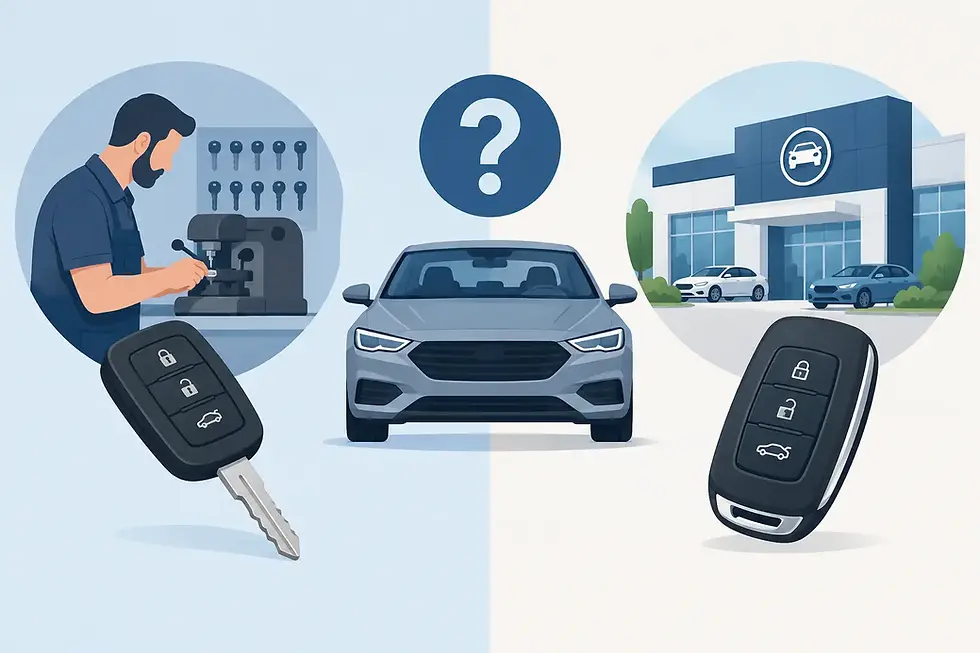
Not every locksmith handles advanced automotive programming, and not every dealership offers the fastest solution. What matters is whether the provider can support your specific vehicle, come to your location if needed, and finish both cutting and programming correctly.
Ask practical questions. Can they program transponder keys and smart fobs? Can they help if all keys are lost? Do they offer mobile service? Can they test the remote and starting functions before leaving? Clear answers usually tell you a lot about the quality of service.
Price matters, but so does getting the car running again without delays. The cheapest option is not always the one that saves the most money if it leads to extra towing, repeat visits, or the wrong key.
A good car key programming guide should leave you with one clear takeaway: programming is not just a technical extra. It is the step that tells your vehicle this key belongs here. If your key is missing, damaged, or no longer recognized, the safest move is to get the right help quickly so a small problem does not turn into a long day.

Comments