

Why Car Key Won’t Turn and What to Do Next
A key that suddenly refuses to move can stop your entire day before it starts. If you are searching why car key wont turn, do not force it. A little extra pressure can snap a worn key, damage the ignition cylinder, or turn a simple roadside issue into a more expensive repair.
Most no-turn problems have a practical cause, from a locked steering wheel to a worn key or a failing ignition. The right next step depends on what your vehicle is doing and whether the key still enters the ignition normally.
Why Your Car Key Won’t Turn
The steering wheel lock is under pressure
This is one of the most common causes, especially after parking on a hill or turning the wheel hard before removing the key. The steering wheel lock can put pressure on the ignition, making the key feel completely stuck even when it is the correct key.
Hold the brake, then gently move the steering wheel left and right while applying light turning pressure to the key. One direction will usually have more movement than the other. Keep the pressure gentle and turn the key only as the wheel releases. Do not jerk the steering wheel or twist the key aggressively.
The key is worn, bent, or damaged
Physical car keys wear down over time. The cuts and grooves that communicate with the ignition pins can become rounded, and even a small bend may prevent the key from lining up correctly. A damaged key may still unlock the door but fail to turn the ignition.
Look closely at the key under good light. If it is bent, cracked, heavily worn, or has damaged teeth, stop using it. Trying to force it can cause the key to break inside the ignition. If you have a spare key, test it carefully. When the spare works, the original key likely needs replacement rather than ignition repair.
The ignition cylinder is worn or failing
The ignition cylinder contains small internal parts that must align with your key. As the vehicle ages, those components can wear out, stick, or fail to recognize a key that once worked perfectly. You may notice that the key only turns after several tries, works when held at a certain angle, or gets harder to turn over a period of weeks.
Those are warning signs worth addressing early. A failing ignition rarely gets better on its own, and waiting can leave you stranded at home, work, or a parking lot. A professional automotive locksmith can inspect the key and ignition to identify which part is causing the issue.
Dirt, debris, or moisture is inside the ignition
Pockets, purses, cup holders, and key rings collect dust and grit. Over time, debris can enter the ignition keyway and interfere with its internal pins. In cold Utah weather, moisture can also freeze around the lock components.
Do not pour oil, household lubricants, or random sprays into the ignition. Some products attract more dirt, leave residue, or damage sensitive components. If the ignition appears dirty or frozen, the safest option is to have it professionally cleaned and inspected, particularly if the vehicle has already become unreliable.
The vehicle is not fully in Park
On automatic vehicles, the shifter must be fully seated in Park before the ignition will release or allow the key to turn in some situations. A worn shift linkage or slight movement in the gear selector can keep the vehicle from recognizing Park.
Press the brake firmly, move the shifter fully into Park, and try again. You can also gently hold the shifter toward Park while lightly turning the key. If that works, do not assume the issue is solved. The shifter mechanism or ignition interlock may need service.
The battery or electronic system is involved
Many newer vehicles use transponder keys, push-button start systems, steering-column locks, and electronic immobilizers. A weak vehicle battery, depleted key fob battery, damaged chip, or electronic steering lock can sometimes create a no-start or no-turn symptom.
If your vehicle uses a key fob, try the manufacturer’s backup start procedure listed in the owner’s manual. In many vehicles, this means holding the fob close to a designated area while starting. If the dashboard lights are dim, the locks are slow, or other electrical features are failing, a battery issue may be part of the problem. Still, avoid repeated attempts that could drain the battery further.
Safe Checks to Try Before Calling for Help
Start with the simplest possibilities. Make sure you are using the correct key, especially if you carry similar-looking keys. Remove any bulky keychain weight that may pull on the key, confirm the vehicle is in Park, and relieve steering wheel pressure as described above.
If the key is difficult to insert, pull it out and inspect it. Do not use pliers or tools to twist it. Do not hit the ignition, pry at the steering column, or attempt to take the ignition apart in a parking lot. Those actions can damage the column, activate security systems, or create an unsafe driving condition.
A spare key is useful only if it is in good shape and belongs to that exact vehicle. If the spare turns smoothly, use it temporarily and arrange to replace the worn key soon. If neither key turns, the ignition cylinder, steering lock, shifter interlock, or electronic system is more likely to blame.
When It Is Time for a Mobile Locksmith
Call for professional help when the key will not turn after gentle steering-wheel and gear-selector checks, when the key is bent or cracked, or when it is stuck in the ignition. You should also call if the key broke off, the ignition feels loose, or the problem keeps returning.
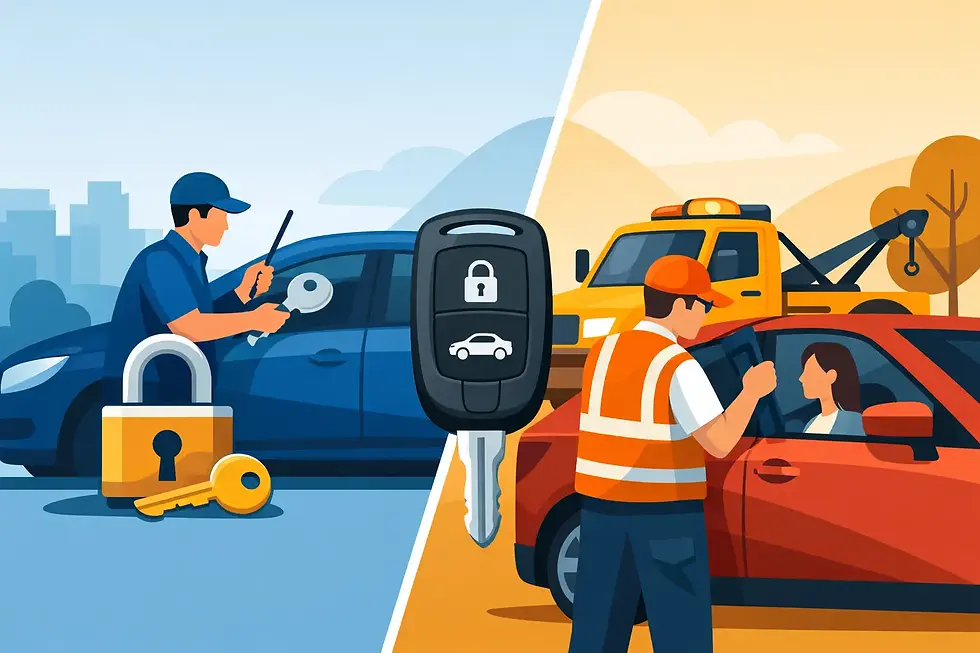
A mobile automotive locksmith can come to your location, assess the key and ignition, create or program a replacement key when appropriate, and help with ignition repair issues. This is often more convenient than arranging a tow first, particularly when the vehicle is parked at home, at work, or somewhere you cannot safely leave it.
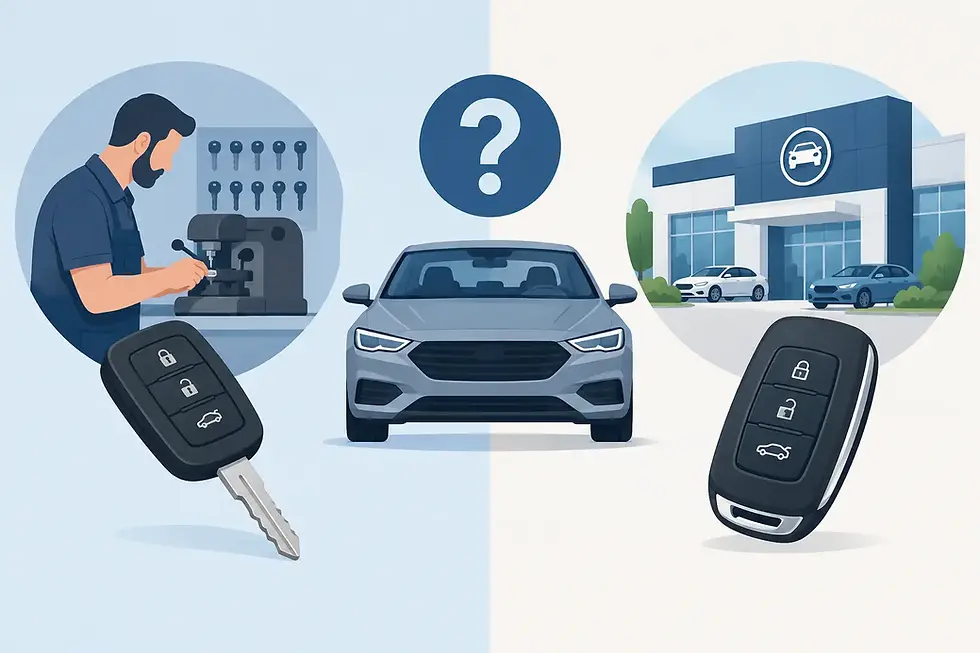
The repair approach depends on the vehicle. Sometimes the answer is a new key cut from the correct code. Other times, the ignition cylinder needs repair or replacement. For transponder and smart keys, programming may also be required. A professional diagnosis helps avoid replacing parts that are not actually causing the failure.
How to Avoid Another Ignition Problem
Treat a key that sticks occasionally as an early warning, not a minor annoyance. Have worn keys replaced before they damage the ignition, and use a lighter key ring when possible. Keep liquids and loose debris away from the ignition area, especially in older vehicles with conventional keys.
If your car has only one working key, make a spare before an emergency happens. A spare key is usually easier and less stressful to arrange when your vehicle is running normally. It also gives you a quick way to tell whether a future issue is caused by the key or the ignition.
When you need fast help in Salt Lake City, Layton, or nearby Utah communities, Locksmith Experts can send a mobile locksmith to assess the problem where you are. Your security and your ability to get safely back on the road should never depend on forcing a key that is telling you something is wrong.

Comments