

What to Do Locked Out of Your Home, Car, or Office
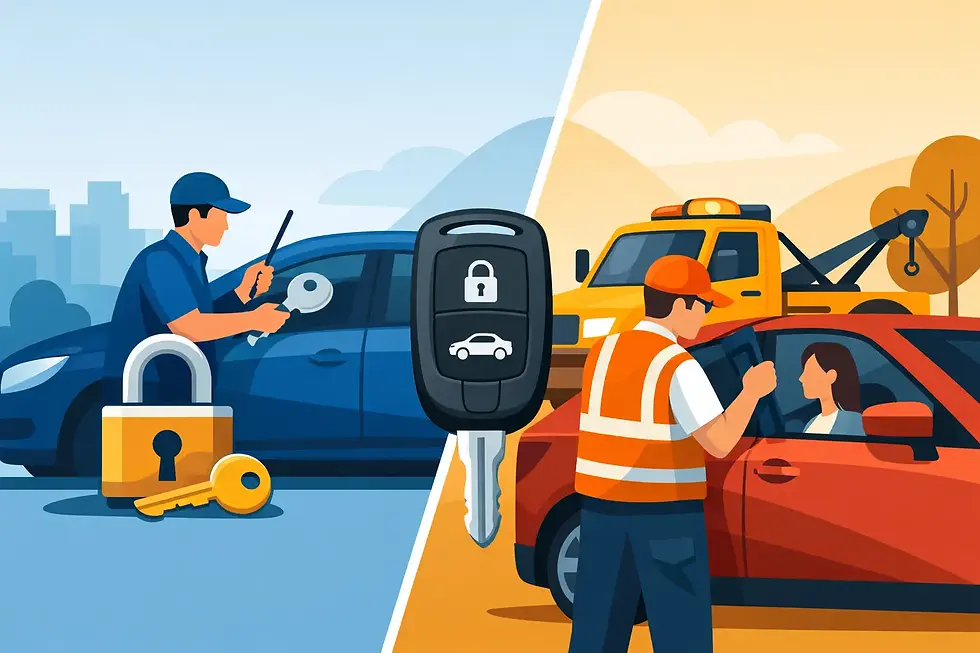
A lockout can turn an ordinary Utah morning, workday, or late-night stop into a stressful situation in seconds. Whether your keys are sitting on the driver’s seat, your house key is missing, or an employee cannot access the office, the question is the same: what to do locked out and needing help right away. Start by protecting yourself, avoid damaging the lock or door, and choose a professional solution that gets you back inside safely.
Start With Safety, Not the Lock
Before you try anything, take a moment to look at the situation around you. If you are locked out of a vehicle on a busy road, in extreme heat or cold, or in an unfamiliar area after dark, move to a well-lit, safe place when possible. Keep your phone charged and stay aware of your surroundings.
If a child, pet, older adult, or anyone with a medical concern is locked inside a car or building, treat it as an emergency. Call 911 immediately if there is an immediate risk to health or safety. A locksmith can help with access, but emergency responders should be the first call when someone’s well-being is at stake.
For a standard lockout, pause before forcing a door, breaking glass, or attempting to dismantle hardware. Those choices often turn a simple service call into an expensive repair. Damaged weatherstripping, a bent vehicle door frame, a broken window, or a ruined lock can cost far more than professional lockout assistance.
What to Do Locked Out of Your Car
Car lockouts are frustrating because they often happen when you are already on the way somewhere. You may have left your keys in the ignition, dropped them in the trunk, lost a key fob, or discovered that a remote battery has failed. The right response depends on the vehicle and the reason you cannot get in.
First, check every door and the trunk without forcing anything. Some vehicles unlock one door but not another, and a trunk may have a separate release. If you have a spare key nearby, ask a trusted family member or friend to bring it only if doing so will not leave you stranded for hours or create another unsafe situation.
Avoid using wire hangers, wedges, slim jims, or online tricks meant to open a vehicle. Modern cars have side-impact airbags, sensitive wiring, electronic locks, and weather seals that can be damaged easily. A failed DIY attempt may also trigger the alarm or make a professional entry more difficult.
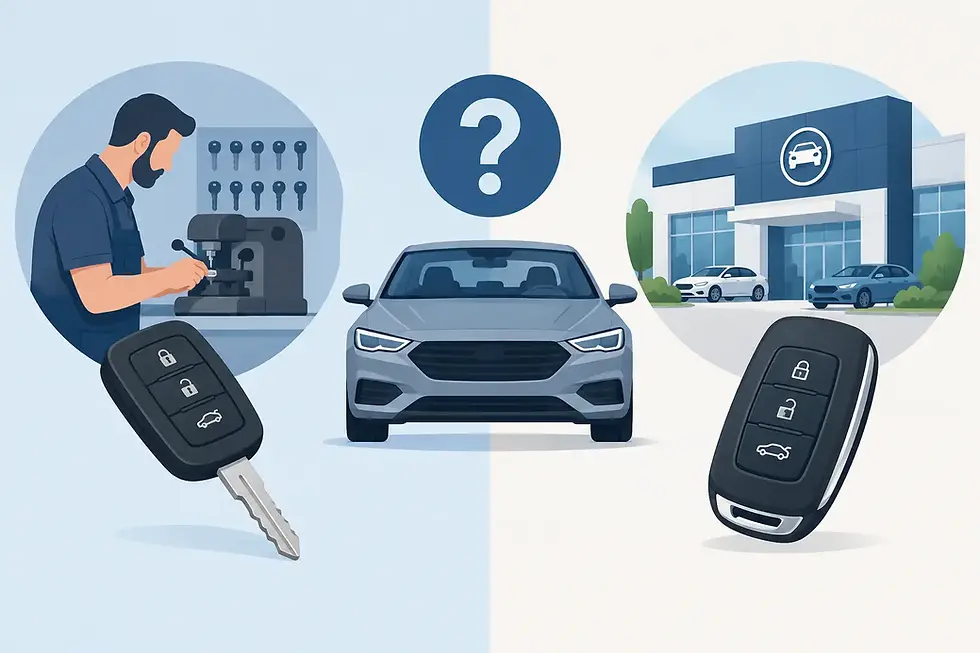
A mobile automotive locksmith can typically provide non-destructive entry and assess the larger problem. If the key is lost, broken, or no longer communicating with the vehicle, the technician may be able to create a replacement key, program a key fob, or address an ignition issue on site. Have your vehicle registration and photo ID available if possible. Professional locksmiths need to verify that the vehicle belongs to you before making a key or opening it.
When roadside assistance may help
Some insurance plans, vehicle warranties, and roadside memberships include lockout coverage. This can be useful if your provider can arrive quickly and is equipped for your vehicle. However, coverage does not always include replacement keys, transponder programming, or ignition repair. If you need more than a basic door opening, a locksmith is often the more direct option.
Locked Out of Your Home? Protect the Door and Your Security
Being locked out of your house can feel especially personal. Your wallet, medications, pets, work equipment, and family may all be inside. Still, do not assume the only solution is a broken window or a kicked-in door.
Check for safe, legitimate access first. You may have another unlocked entry point, a garage door remote in your car, or a spare key held by a nearby trusted person. Do not climb through high windows, try to reach a second-story opening, or take risks that could lead to a fall or injury.
If you rent, contact your landlord or property manager after checking your lease terms. Many property managers have after-hours procedures, though response times vary. If you own the home or need access quickly, a residential locksmith can open the door with methods designed to preserve the lock whenever practical.
A lockout can also reveal a security issue. If your keys were stolen, you moved into a new home, or you are not sure who has copies of your key, getting back inside is only the first step. Rekeying the locks changes the internal key pattern so old keys no longer work. It is often a practical alternative to replacing every lock, provided the existing hardware is in good condition.
Smart locks can create a different kind of lockout
Electronic and smart locks offer convenience, but they can fail because of dead batteries, lost codes, app problems, or a malfunctioning keypad. Do not repeatedly guess codes, especially if the lock has a temporary lockout feature. Check whether the lock has an approved backup keyway or external battery contact, then follow the manufacturer’s instructions. If those options do not work, call a locksmith familiar with electronic lock hardware rather than damaging the unit.
Office and Commercial Lockouts Need a Careful Response
A commercial lockout affects more than one person. It can delay opening hours, interrupt deliveries, leave employees outside, or restrict access to essential equipment and records. It may also signal an access-control problem that needs attention beyond the immediate door opening.
Start by confirming who is authorized to request service and enter the property. Business owners, property managers, and designated staff should be ready to provide identification and proof of authority. This protects the business and prevents unauthorized entry.
Do not let an employee force a rear door, pry open a storefront lock, or bypass a panic bar. Commercial hardware is designed for security and life safety, and improper handling can damage the door, compromise fire-code equipment, or create a future vulnerability.
Once access is restored, consider why the lockout happened. A former employee may still have a key, keys may be circulating without a record, or a worn lock may be becoming unreliable. Rekeying, lock replacement, master key planning, and access updates can reduce the chance of a repeat problem. For businesses that need several doors managed consistently, a locksmith can help identify a practical balance between employee access and building security.
What to Have Ready When You Call a Locksmith
The fastest service starts with clear information. Explain whether the lockout involves a car, home, apartment, office, or storefront. Share your general location, the type of lock or vehicle, and whether the keys are locked inside, lost, broken, or malfunctioning.
Be prepared to show identification and proof that you are authorized to access the vehicle or property. For a car, this may include a driver’s license and registration. For a home or business, it may include an ID with the address, a lease, business documentation, or confirmation from a property manager. If your documents are locked inside, tell the locksmith before they arrive so you can discuss appropriate verification.
It also helps to ask for an estimate, the expected arrival time, and whether the issue may require additional work such as key programming, rekeying, or lock replacement. Straight answers help you make a confident decision during a stressful moment.
Choose Professional Help You Can Trust
A legitimate locksmith will explain the work, verify authorization, and use the least destructive method that fits the situation. Be cautious of vague pricing, pressure to drill a lock immediately, or a provider that will not identify the business clearly. Drilling is sometimes necessary for failed or high-security hardware, but it should not be the automatic answer to every lockout.
For Utah drivers, homeowners, and businesses, Locksmith Experts provides mobile emergency support for automotive, residential, and commercial lockouts. The goal is simple: restore access quickly while protecting your property and your peace of mind.
After you are safely back inside, take one small preventive step before the day moves on. Replace the key fob battery, arrange a spare key, update access codes, or schedule rekeying if your keys are missing. That short follow-up can keep one stressful lockout from becoming a repeat emergency.

Comments