

When Should Locks Be Rekeyed?
A spare key you forgot about can become a real security problem. If you're asking when should locks be rekeyed, the short answer is this: any time you no longer know exactly who has access to your home, business, or rental property.
Rekeying is one of the fastest ways to take back control of a property without replacing every lock. For many Utah homeowners, property managers, and business owners, it is the smarter move when the hardware still works but key access has changed. The goal is simple - old keys stop working, and only the new keys open the lock.
What rekeying actually does
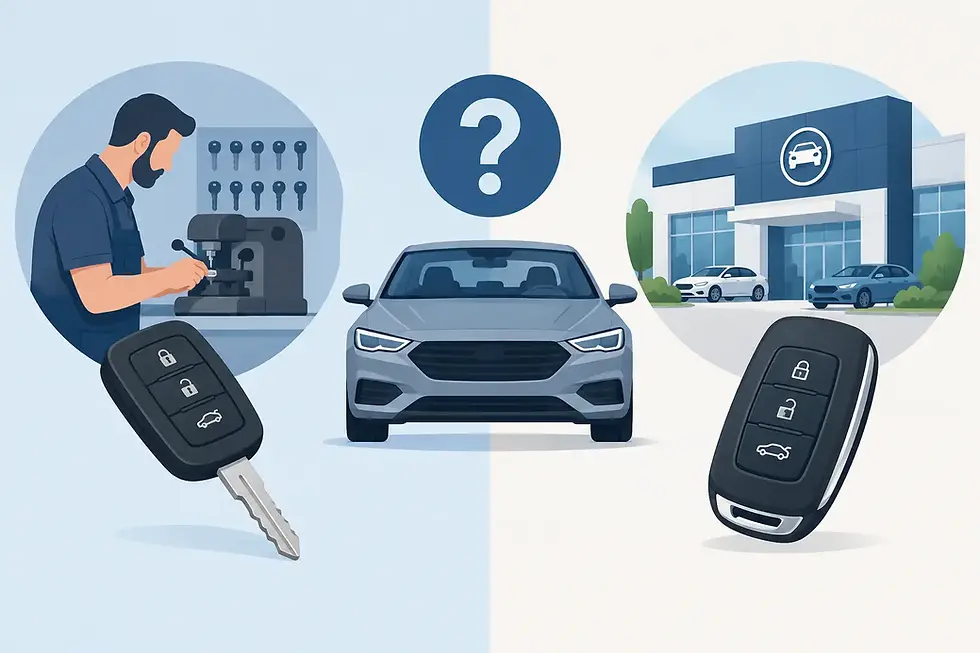
Rekeying changes the internal pins inside a lock so it works with a new key. The lock usually stays in place. That means you can keep your existing hardware if it is in good condition, while making any old key useless.
This is different from replacing a lock. Lock replacement means removing the current hardware and installing a new lockset. That may be the better option if the lock is damaged, outdated, or no longer secure. But if the lock is solid and you only need to change access, rekeying is often faster and more cost-effective.
When should locks be rekeyed at home?
For homeowners, rekeying usually comes down to control and peace of mind. Most people do not rekey because something dramatic happened. They rekey because too many unknowns built up over time.
One of the most common times to rekey is right after moving into a new home. Even if the seller hands over every key they have, there is no way to know whether copies were made for relatives, neighbors, contractors, pet sitters, or previous tenants. New house, old keys, unknown access - that is enough reason to rekey right away.
Lost or stolen keys are another clear sign. If your house key went missing and you cannot say where it ended up, rekeying is the safer move. That matters even more if your key was attached to anything with your address, mailbox information, or car registration.
Breakups, roommate changes, and family disputes also matter. These situations are stressful enough without wondering who can still come and go. Rekeying gives you a clean reset. It is practical, fast, and often less expensive than people expect.
If you have had work done at your home and handed out spare keys over the years, it may be time as well. Contractors, cleaners, house sitters, dog walkers, and former service providers may all be trustworthy. But if keys were copied and never returned, trust alone is not a security plan.
When should locks be rekeyed for rentals and property management?
Rental properties should be rekeyed between tenants as a basic security step. This protects the incoming tenant and reduces risk for the owner or manager. Even when keys are returned, there is no guarantee duplicates were not made.
This matters for single-family rentals, duplexes, apartment units, and short-term properties. Rekeying between occupants creates a clear handoff and helps prevent disputes later. If a former tenant, guest, or maintenance contact still has a working key, that can turn into a serious problem quickly.
Property managers also benefit from consistency. If several units have gone through multiple residents without rekeying, key control becomes messy fast. In some cases, rekeying can also let you simplify access so fewer keys are needed for authorized staff.
When should locks be rekeyed at a business?
Commercial rekeying is often triggered by staffing changes. If an employee with key access leaves, especially under tense circumstances, rekeying should be considered immediately. The same goes for terminated workers, former managers, vendors, and cleaning crews with after-hours access.
Many small businesses wait too long because they assume keys were returned. But returned keys do not tell you whether copies exist. If your business stores equipment, inventory, records, or cash, that risk is usually not worth taking.
Rekeying also makes sense after a break-in attempt, even if the lock still works. A forced entry can compromise more than the door frame. If someone targeted the property, it is smart to review access control at the same time.
Businesses that have changed ownership, changed leadership, or grown quickly may need rekeying for a different reason - too many people have accumulated access over time. In that case, rekeying is less about one incident and more about cleaning up years of loose key management.
Signs you may need rekeying instead of lock replacement
A lot of customers are not sure whether they need new locks or just a new key setup. In many cases, rekeying is enough when the lock itself is still in good shape.
If the hardware is functioning normally, the door aligns well, and the issue is simply who has the key, rekeying is usually the right first step. It is also a good choice when you want multiple doors keyed alike so one key works across selected entry points.
Lock replacement makes more sense if the lock is worn out, rusted, damaged, low quality, or no longer matches your security needs. If you are upgrading to smart locks, high-security cylinders, or a new style of hardware, replacement may be the better investment.
It really comes down to this: rekey for access control, replace for hardware problems or security upgrades.
Situations where rekeying should happen fast
Some cases are not wait-and-see situations. If your keys were stolen, if someone moved out unexpectedly, or if there is any concern about unauthorized entry, fast action matters. The longer you wait, the longer old keys may still work.
That is also true after an eviction, domestic dispute, employee termination, or missing master key. In these moments, rekeying is not just maintenance. It is a direct security response.
For urgent situations, mobile locksmith service is often the easiest option because the work can be completed on-site without the delay of removing locks and shopping for replacements. That speed matters when you need to secure a property the same day.
Why people put it off
Most people delay rekeying for one of three reasons: they assume it is expensive, they think changing locks is the only option, or they believe the risk is low. But rekeying is usually one of the more efficient security updates you can make.
The bigger issue is that access problems are easy to ignore until something happens. A missing key does not feel urgent until there is an unexplained entry, a lockout, or a property dispute. By then, the stress is higher and the decision is no longer preventive.
If you are already wondering about it, there is probably a reason. That does not mean every situation is an emergency, but it does mean it is worth addressing before it turns into one.
When should locks be rekeyed if nothing happened?
Sometimes the answer is still yes. You do not need a break-in, a theft, or a major life event to justify rekeying. If you cannot confidently name everyone who has a working key, that is enough.
This comes up often in older homes, inherited properties, long-held rentals, and businesses that have changed hands over the years. No one event triggered the issue. Access just became unclear. Rekeying brings it back under control.
It can also be a smart move after buying a property with multiple exterior doors, detached garages, storage rooms, or side entrances. Those are easy places for forgotten keys to stay in circulation.
A practical way to think about it
Ask one question: if someone showed up today with an old key, would that concern you? If the answer is yes, rekeying is worth serious consideration.
For homes, that often means after a move, lost keys, relationship changes, or years of shared access. For rentals, it usually means between tenants. For businesses, it often follows employee turnover, vendor changes, or a gap in key control.
A professional locksmith can usually tell you quickly whether your current locks can be rekeyed and whether replacement would serve you better. For many properties, the answer is simple and the fix is faster than expected. Companies like Locksmith Experts handle this kind of work every day because the need is common, even when the situation feels personal or urgent.
The best time to rekey is before an old key becomes a current problem. If access is uncertain, getting ahead of it is one of the simplest ways to protect your property and your peace of mind.

Comments