

Why Rekey Locks After Moving Into a New Home
The boxes may be stacked, the utilities may be on, and you may finally have the keys in hand. But before your new house feels fully yours, there is one security question worth answering: who else might have a copy? The safest answer is to rekey locks after moving so you know exactly which keys can open your doors.
A previous owner may have given keys to relatives, neighbors, contractors, pet sitters, cleaners, or tenants. Even a well-organized seller may not know how many copies are still out there. Rekeying gives you a fresh start without automatically replacing every lock in the home.
Why You Should Rekey Locks After Moving
Your front door is only as secure as the keys that can open it. When you move into a home, you inherit the lock hardware, but you do not inherit a reliable record of every person who has had access. A key can be copied quickly at a hardware store, passed along years ago, or left in the hands of someone the former owner has forgotten.
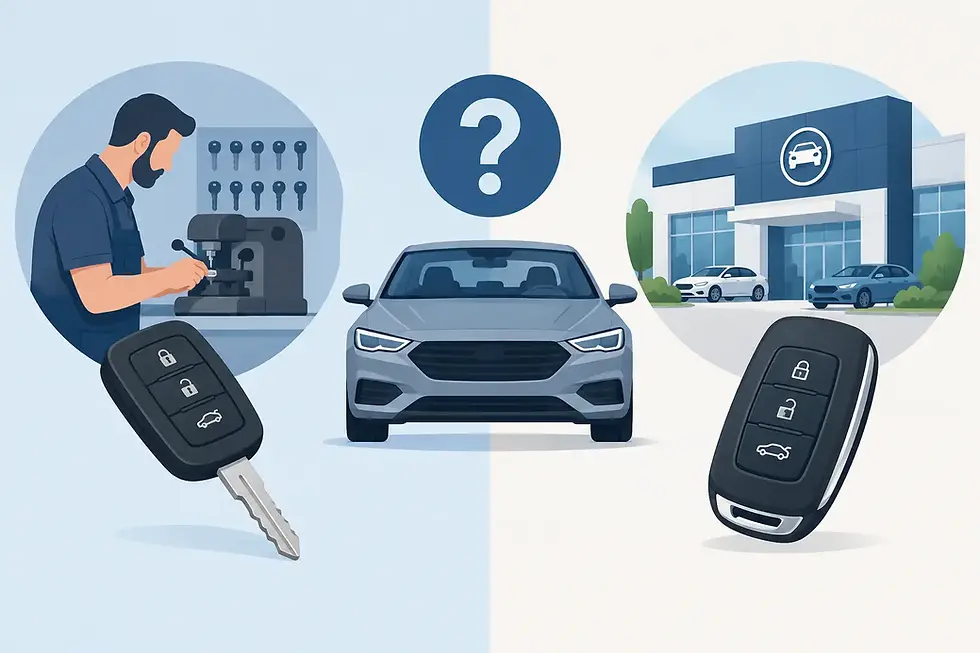
Rekeying changes the internal pin configuration inside a lock cylinder. The old key no longer works, and you receive new keys for the same lock hardware. This is often a practical choice for new homeowners because it restores control of access without the cost of replacing a lock that is still in good condition.
For Utah homeowners, rekeying is especially helpful during a busy move when there are already contractors, deliveries, and family members coming and going. You can settle in knowing the keys in your pocket are the keys that matter.
Rekeying vs. Replacing Locks: Which Do You Need?
Rekeying and lock replacement solve different problems. A professional locksmith can help you decide based on the condition of the hardware, the age of the locks, and the level of security you want.
Rekeying is usually the right choice when your current deadbolts and door knobs work smoothly, the locks are from a reliable brand, and your main concern is old keys. It is typically faster and more cost-effective than replacing every exterior lock. In many homes, a locksmith can rekey several compatible locks to work with one new key, reducing the number of keys you carry.
Replacing locks makes more sense when the hardware is damaged, worn out, loose, or difficult to turn. A deadbolt that sticks, a knob with visible corrosion, or a strike plate that no longer lines up properly deserves attention beyond a simple rekey. Replacement is also a smart move if the existing locks are low-grade, lack a deadbolt, or do not meet the security needs of the property.
If you are moving into an older home in Salt Lake City, Layton, or another Utah community, look closely at the doors themselves. A strong lock cannot fully protect a weak door frame, loose hinges, or a short strike plate screw. Security works best when the lock and the surrounding door hardware are in good shape.
When a Smart Lock May Be the Better Upgrade
A move is also a good time to consider keyless entry. Smart locks can allow you to create unique codes for household members, remove a code when a contractor is finished, and avoid hiding spare keys outside. Some models work with a physical key as a backup, while others are fully keypad or app-based.
Smart locks are convenient, but they are not automatically the best fit for every door. They need proper installation, compatible hardware, and a dependable plan for battery replacement and backup entry. If you prefer a traditional deadbolt, rekeying remains a straightforward and dependable security update.
Which Locks Should Be Rekeyed First?
Start with every exterior door that provides entry to the home. That includes the front door, back door, garage service door, side door, basement entrance, and any door connecting an attached garage to the house. Do not overlook a patio or sliding door simply because it has a secondary lock. It still needs to be secure.
Next, consider access points that may be shared or easily overlooked. These can include mailbox locks, storage sheds, detached garages, gate locks, and rental units on the property. Not all of these locks can be rekeyed, and some may require replacement, but checking them early prevents surprises later.
Interior locks are more situational. A new homeowner may want to rekey an office, a utility room, or a room used for secure storage. Property managers and landlords may need a more complete approach between tenants, especially when multiple people have had access to the building.
Do Not Rely on the Keys You Were Given
Receiving two or three keys at closing does not mean there are only two or three keys in circulation. The previous owner may have made copies for a child away at college, a neighbor who watched the home, a former roommate, or a service provider. A lockbox key may exist. An old spare may still be under a rock, in a drawer, or attached to an outdated key ring.
Changing the locks is sometimes presented as a courtesy recommendation after a sale. Rekeying is more than that. It is a direct way to eliminate uncertainty. You do not need to assume anything about the prior owner or their relationships. You simply take control of your home's access.
When Should You Schedule Rekeying?
The best time is as soon as possible after taking possession of the property. Ideally, schedule it before moving valuables into the home or before spending your first night there. If that is not possible, make it one of your first post-move appointments.
There are situations where speed matters even more. Get locksmith help right away if you notice signs of attempted forced entry, missing keys, loose deadbolts, a door that will not latch, or a lock that can be opened with an unfamiliar key. If you are unsure whether the locks were changed after a previous tenant or owner moved out, treat the situation as unknown and rekey promptly.
A mobile locksmith can come to the property, inspect the locks, rekey compatible cylinders, and explain whether any hardware should be replaced. Locksmith Experts provides 24/7 support for homeowners who need help securing a new home without waiting for regular business hours.
What to Expect During a Professional Rekey Service
A professional rekey service begins with identifying the locks on your exterior doors and checking whether they are compatible with rekeying. The locksmith removes the lock cylinder, changes the internal pins, tests the new key, and confirms that the old key no longer works.
This is also a useful time to ask about key organization. If several doors use different keyways or brands, it may not be possible to place them all on one key without changing certain hardware. There is a trade-off: keeping existing locks can cost less, while replacing mismatched hardware may make daily access simpler.
Ask for enough copies for the people who truly need them, but avoid creating extra keys without a plan. Keep one spare in a secure location or with a trusted person nearby rather than hiding it outside. If you use a lockbox, make sure it is secured properly and that its code is changed.
Other Move-In Security Checks Worth Making
Rekeying is a strong first step, but a few quick checks can make your new home safer. Test every deadbolt from inside and outside. Make sure exterior doors close fully without needing to be pushed or lifted. Check window locks, garage remotes, and any keypad codes left by the prior owner.
If the home has a garage door opener, erase old remote controls and reset the keypad code. For a smart home system, change account passwords and remove former users from connected devices. These are small tasks, but they close gaps that traditional key changes do not address.
Your new address should bring peace of mind, not questions about who may still have access. Rekey the doors early, keep your new keys under control, and give yourself the confidence that home starts with security you can trust.

Comments