

Should You Change Locks or Rekey Your Home?
A key goes missing, a tenant moves out, or you close on a new home and realize you have no idea who still has a copy. The question is immediate: should you change locks or rekey? Both improve control over your property, but they solve different problems. Choosing the right one can protect your home or business without paying for hardware you do not need.
For many Utah homeowners, property managers, and business owners, rekeying is the fast, practical answer. In other cases, replacing the lock is the safer move. Here is how to tell the difference and get your security back on track.
What Rekeying Actually Does
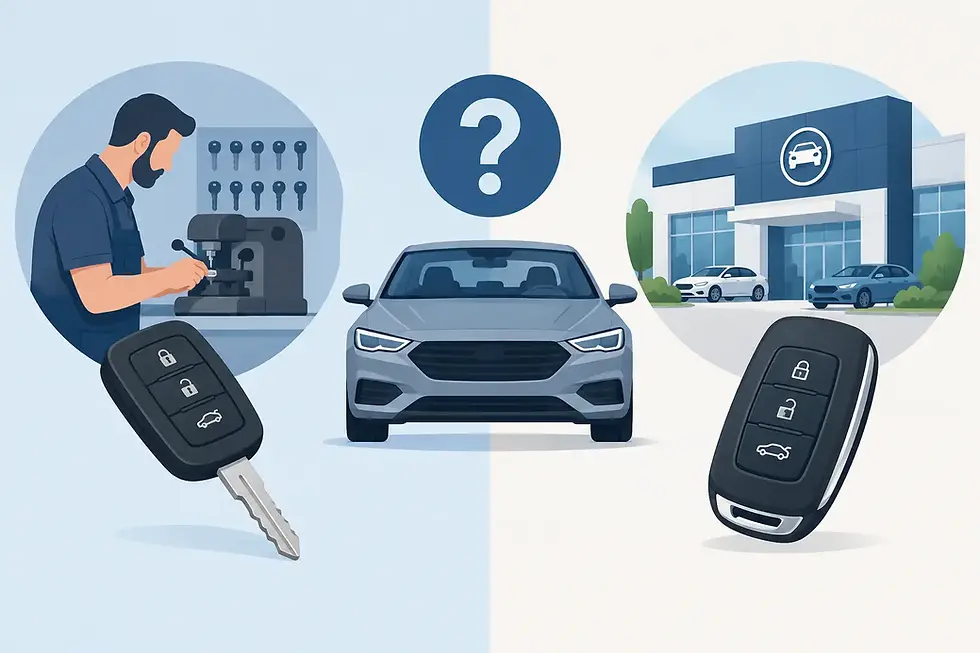
Rekeying changes the internal pin configuration inside an existing lock cylinder. The lock hardware stays on the door, but the old key no longer operates it. A locksmith adjusts the lock so it works with a new key instead.
This is not the same as making a duplicate key. A duplicate creates another working copy. Rekeying cancels access for every old key, including keys you may have given to a former roommate, contractor, neighbor, employee, cleaner, or tenant.
Rekeying works well when the lock is in good condition and you simply need to control who can enter. It is usually quicker and less expensive than replacing every lock because the exterior hardware remains in place. A professional can often rekey multiple compatible locks to work with one key, which means fewer keys on your ring and less confusion at the door.
When to Change Locks or Rekey After a Security Concern
The reason for the security issue matters. If you lost a key but the lock itself is reliable and undamaged, rekeying is typically enough. The missing key becomes useless, and you receive a new set of keys.
After moving into a house, condo, apartment, office, or retail space, rekeying should be near the top of your move-in list. Previous owners may have distributed keys over many years. A seller may turn over two keys, but that does not account for old tenants, relatives, dog walkers, maintenance workers, or anyone else who once had access. Rekeying provides a clean start without assuming every prior key was returned.
A break-in requires a closer look. If an intruder forced the lock, bent the deadbolt, damaged the strike plate, or compromised the door frame, replacing the damaged hardware is the better choice. Rekeying a lock that no longer latches securely will not fix the weakness. You may also need a stronger deadbolt, reinforced strike plate, or a repair to the door and frame.
If you are worried someone copied your key without permission, rekeying immediately removes that risk. If the person also knows how to exploit a weak, outdated, or damaged lock, replacement and a security upgrade may be worth the added cost.
Choose Rekeying When the Hardware Is Still Sound
Rekeying makes sense when your locks are functioning properly, your doors close and latch correctly, and your main concern is old keys in circulation. It is a common choice after a move, a roommate change, employee turnover, a key that was lost outside the property, or a change in property management.
It is especially useful for rental properties. Rather than replacing locks after every tenant, a landlord can rekey between occupants. This helps protect the next tenant while keeping turnover costs manageable. Property managers can also request a keyed-alike setup for approved entry doors, simplifying access for authorized maintenance teams without leaving former tenant keys active.
For businesses, rekeying can restore key control after a staff departure or misplaced master key. Ask a locksmith to review your key system before rekeying. A basic storefront, back office, storage room, and supply closet may need different access levels. The goal is not just new keys. It is making sure the right people have access to the right areas.
One limitation is compatibility. Some lock types, worn cylinders, high-security systems, and electronic locks may require specialized service or replacement. A locksmith can inspect the hardware and explain what your specific lock can support before work begins.
Change Your Locks When Security or Performance Has Changed
Lock replacement is the right call when the existing lock no longer meets your needs. A lock can still turn with a key and yet offer less protection than your property requires.
Consider changing locks when the hardware is visibly worn, loose, rusted, sticking, or difficult to operate. If you have to jiggle the key, push the door hard, or repeatedly turn the knob to make it latch, do not wait for a full lockout. Those symptoms can indicate internal wear, door alignment problems, or failing hardware.
Replacement is also wise if you have basic builder-grade locks on exterior doors and want stronger protection. A quality deadbolt, better strike plate, reinforced screws, or upgraded door hardware can make forced entry more difficult. For a business, you may need commercial-grade locks, restricted key systems, panic hardware, or access control that better fits the building's traffic and security needs.
Smart lock installation can also be a reason to replace a lock. Keypad, app-enabled, and code-based locks can reduce dependence on physical keys, which is helpful for busy households, vacation properties, and managed rentals. They still need proper installation and battery maintenance, and they are not always the best answer for every door. A reliable mechanical deadbolt remains a strong option when simplicity is the priority.
Cost, Convenience, and the One-Key Question
Rekeying is generally the more cost-conscious option because it reuses the lock body and trim already installed on the door. It is often the best value if your locks are fairly new, in good shape, and suited to your security needs.
Changing locks costs more because you are paying for new hardware and installation. That added expense can be worthwhile if replacement solves a performance problem, improves security, updates the appearance of your doors, or gives you a better access system.
Convenience matters too. If your front door, garage entry, side door, and patio door all use different keys, a locksmith may be able to rekey compatible locks to one key. That is helpful during an emergency, when you are carrying groceries, or when family members need simple access. Not every lock can be keyed alike, so have the hardware checked rather than forcing a one-key plan that creates security or compatibility problems.
Do Not Ignore the Door Around the Lock
A new lock is only one part of a secure entry. If the door frame is cracked, the strike plate is weak, the screws are too short, or the deadbolt does not extend fully into the frame, even a strong lock may not perform as intended.
When scheduling locksmith service, mention any signs of forced entry, sticking doors, loose handles, or misaligned deadbolts. A proper inspection looks beyond the keyway. The goal is a door that locks smoothly, closes securely, and gives you dependable access every day.
For commercial properties, check secondary entrances as carefully as the front door. Rear delivery doors, storage areas, employee entrances, and shared access points are often overlooked until there is a problem. Clear key control and functioning hardware across every entry point protect the entire operation.
What to Do Right Now
If a key was stolen, lost with identifying information, or taken during a break-in, act quickly. Secure the property if possible, avoid leaving it unattended, and arrange professional locksmith service. If there is active danger or evidence of a crime, contact law enforcement first.
For a move, tenant turnover, or non-urgent upgrade, schedule rekeying or replacement before the property is fully occupied. It is easier to handle access changes before keys are distributed to family members, staff, or contractors.
Locksmith Experts provides mobile locksmith support for residential and commercial lock concerns across Utah, including urgent situations in Salt Lake City and Layton. Whether the answer is rekeying, replacement, or a stronger hardware setup, the right service should leave you with clear control over who can get in.
Your security should not depend on guessing where old keys may be. When access has changed or a lock no longer feels reliable, take action while you can make the decision calmly - not after you are locked out, dealing with damage, or responding to a security scare.

Comments