
Lock Rekeying Secures Your Home Without New Locks
A key can be copied, misplaced, borrowed, or left behind without anyone noticing. That is why lock rekeying is often the fastest way to restore control after moving into a home, ending a lease, losing a key, or changing employees at a business. Instead of replacing working hardware, a locksmith changes the lock so the old key no longer opens it.
For homeowners and business owners in Salt Lake City, Layton, and nearby Utah communities, rekeying offers a practical security reset. You keep the locks you trust, receive a new set of keys, and know who has access moving forward.
What Lock Rekeying Actually Changes
Inside many traditional door locks are small pins that line up with the cuts on a specific key. During rekeying, a locksmith removes the lock cylinder, replaces or rearranges those pins, and sets the lock to work with a different key. The exterior lock hardware can stay in place, but the previous key becomes useless.
The result is different from simply making a new copy of a key. A duplicate gives another person access. Rekeying changes the access itself.
It is also different from changing locks. A lock replacement means removing the existing hardware and installing new hardware. That may be the right choice when a lock is damaged, outdated, low quality, or no longer matches your security needs. If the lock is in good condition, though, rekeying can be a more efficient and cost-conscious option.
When Rekeying Is the Right Security Move
Rekeying is not only for emergencies. It is a smart response whenever you cannot account for every key that may be in circulation. The most common situations are straightforward:
You moved into a newly purchased home, apartment, or rental property.
A house key was lost, stolen, or left somewhere it could be found.
A roommate, tenant, contractor, cleaner, caregiver, or former employee no longer needs access.
You bought a property with locks that appear to be in good shape, but you do not know who has copies of the keys.
You want several exterior doors to work with one key instead of carrying a crowded key ring.
After a move, rekeying should be near the top of the to-do list. The previous owner may have turned over every key they remember, but they cannot know whether an old neighbor, dog walker, relative, contractor, or former tenant still has a copy. The same concern applies to rental turnover. A fresh key system gives the next resident a clean starting point.
For a business, access can change quickly. A departing employee may return a key, but copies may still exist. Rekeying exterior doors, storage rooms, offices, and restricted areas helps restore key control without replacing every functioning lock. Property managers can also use a planned rekeying schedule between tenants to protect residents and simplify operations.
Rekeying vs. Replacing Locks
The best choice depends on the condition of the hardware and the reason for the security update. Rekeying is usually a strong choice when the lock is reliable, the door is secure, and the concern is old keys. It allows you to keep your current hardware while stopping access from previous keys.
Replacement is often better when the lock sticks, has visible damage, has been forced, or uses a low-grade mechanism that does not provide the level of protection you want. It may also make sense when you are upgrading to a deadbolt, electronic keypad, smart lock, or commercial-grade hardware.
A professional locksmith can inspect the lock before recommending a solution. That matters because a lock that feels loose or difficult to turn may have a mechanical problem that rekeying alone will not solve. Your security is not just about the key. It also depends on the door, strike plate, frame, deadbolt, and quality of the hardware.
How the Rekeying Process Works
A locksmith begins by identifying the lock type and checking whether it can be rekeyed. Most standard residential deadbolts and keyed entry knobs can be serviced, but some older, worn, or specialized locks may require replacement parts or a full upgrade.
Next, the locksmith removes the cylinder and changes its internal pin configuration to match a newly cut key. The lock is then reassembled, tested from both sides of the door, and checked for smooth operation. If you have several compatible locks, they may be rekeyed to one key for added convenience.
This is a good time to take stock of every entry point. Many homes have a front door, back door, garage entry, side gate, shed, mailbox, or basement access that uses a different key. A locksmith can help you decide which doors should be keyed alike and which should stay separate.
For example, you may want one key for all exterior home doors but a separate key for a detached workshop or storage area. A business may need separate keys for the main entrance, supply room, office, and equipment area. The right setup balances convenience with control.
Can Smart Locks and Car Locks Be Rekeyed?
Not every lock uses the same system. Some smart locks include a traditional key cylinder that can be rekeyed, while others rely primarily on codes, apps, key cards, or electronic credentials. If a smart lock has been compromised, changing access codes and removing former users from the app is just as important as addressing the physical keyway.
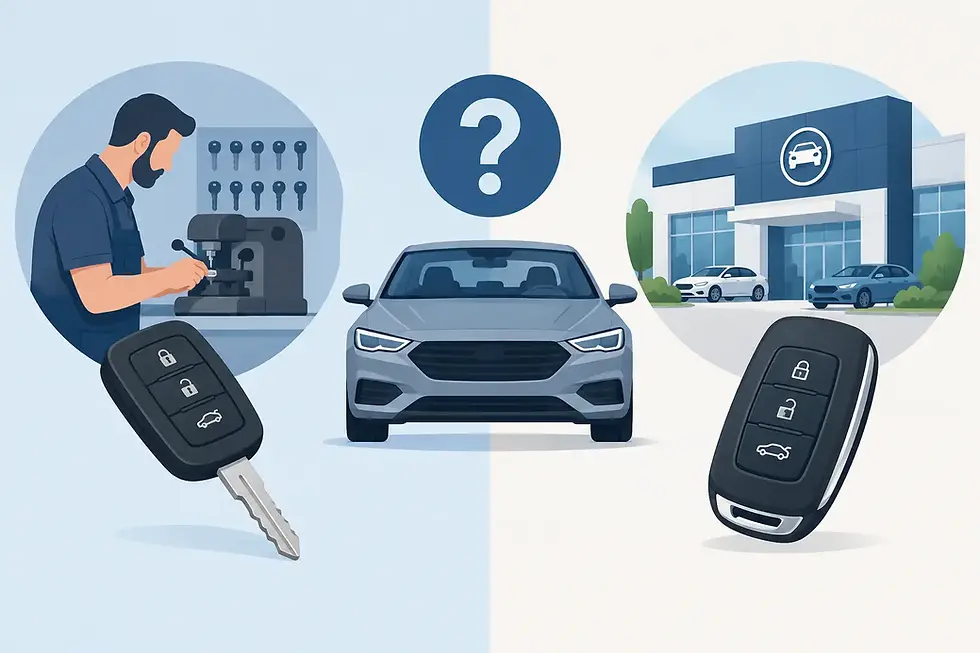
Automotive lock rekeying is more specialized. Modern vehicles often use transponder chips, remote fobs, push-button start systems, and electronic programming. A vehicle may need key programming, replacement keys, ignition repair, or door lock service rather than a standard residential-style rekey. If you have lost your car keys or are concerned that someone has a working key, a mobile automotive locksmith can assess the vehicle and explain the safest option.
Why Professional Rekeying Is Worth It
A do-it-yourself rekey kit may look simple, but lock hardware is not always interchangeable. Using the wrong pins, forcing a cylinder, or reassembling a lock incorrectly can leave you with a key that sticks or a door that will not lock properly. A poorly functioning lock can create a problem at the worst possible time, including late at night or when you are trying to leave for work.
Professional rekeying also gives you a chance to identify worn hardware before it fails. A trained locksmith can spot issues with a deadbolt, latch alignment, strike plate, door frame, or keyway that may affect security. For urgent residential, commercial, or automotive needs, Locksmith Experts provides mobile locksmith support across Utah with service built around fast, dependable help.
Common Questions About Lock Rekeying
How long does lock rekeying take?
The time depends on the number of locks, their condition, and whether you want multiple doors set to one key. A straightforward residential rekey can often be completed during one service visit. Larger commercial properties and complex key systems may take longer.
Will my old key still work after rekeying?
No. Once the lock cylinder has been correctly rekeyed, the old key should no longer operate that lock. That is the main reason to choose rekeying after a security change.
Should I rekey every lock in my house?
Focus first on exterior doors and any entry point that protects your home, garage, valuables, or private space. Interior locks can be included if former residents, roommates, or service providers had access. A locksmith can help you create a setup that makes sense for your property.
Can all my doors use one key?
Often, yes, if the locks are compatible. One-key convenience is useful for many homes, but separate keys may be better for rental units, offices, storage rooms, and restricted areas. The right arrangement depends on who needs access and what you need to protect.
If you are unsure who may still have a key to your property, do not wait for a break-in or lock failure to act. Rekeying gives you a clear, practical way to take back control of access and move forward with confidence.

Comments